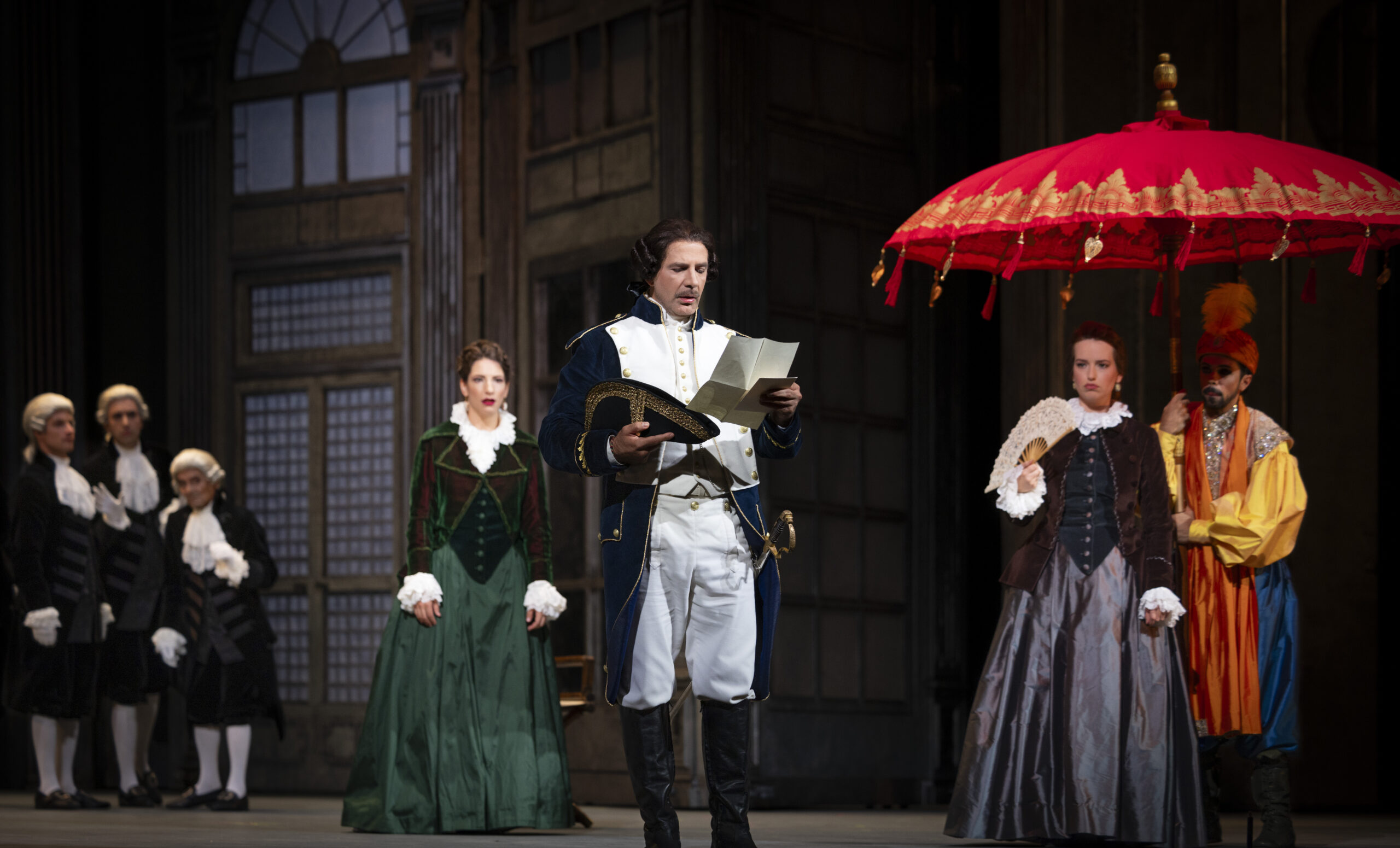
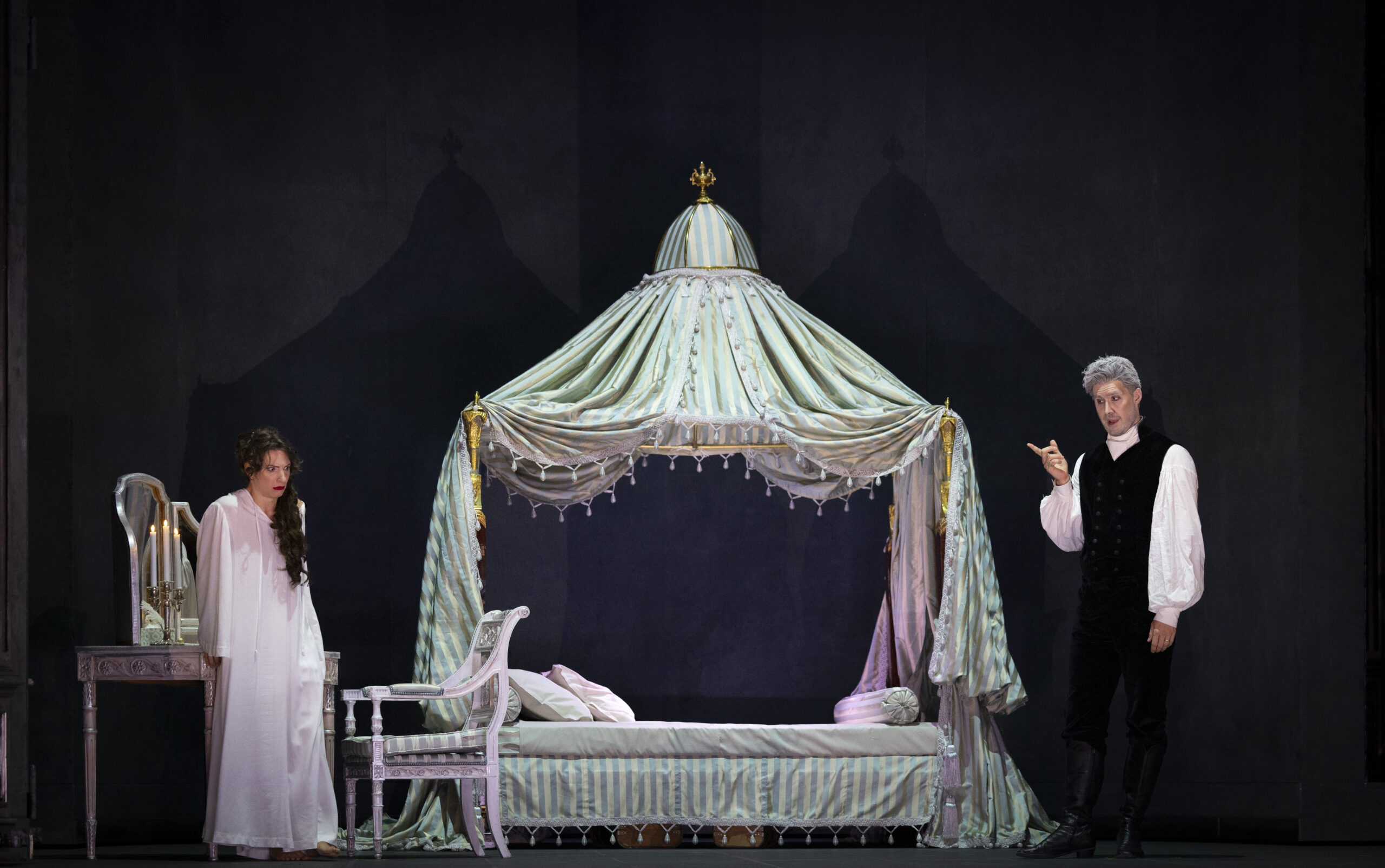
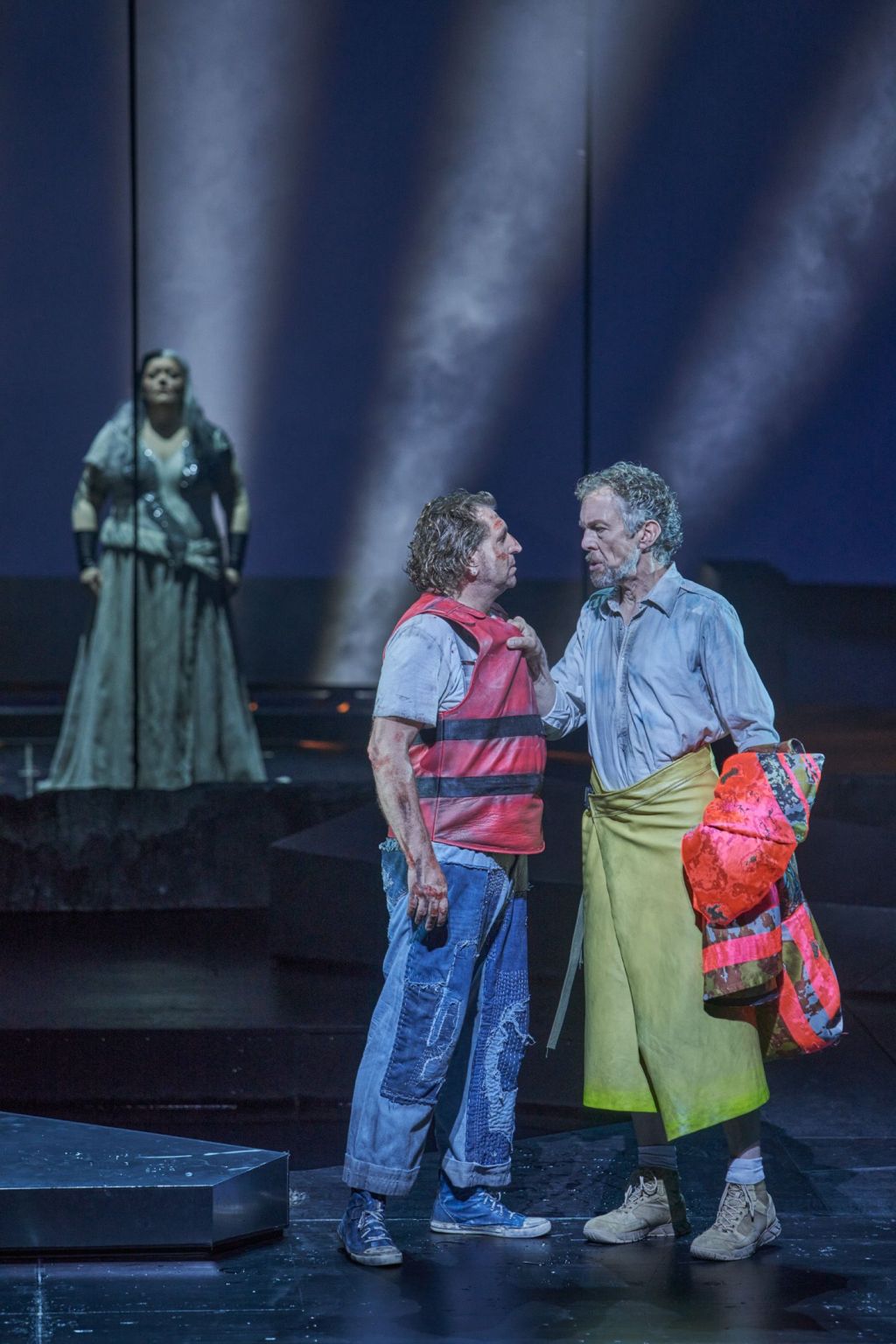
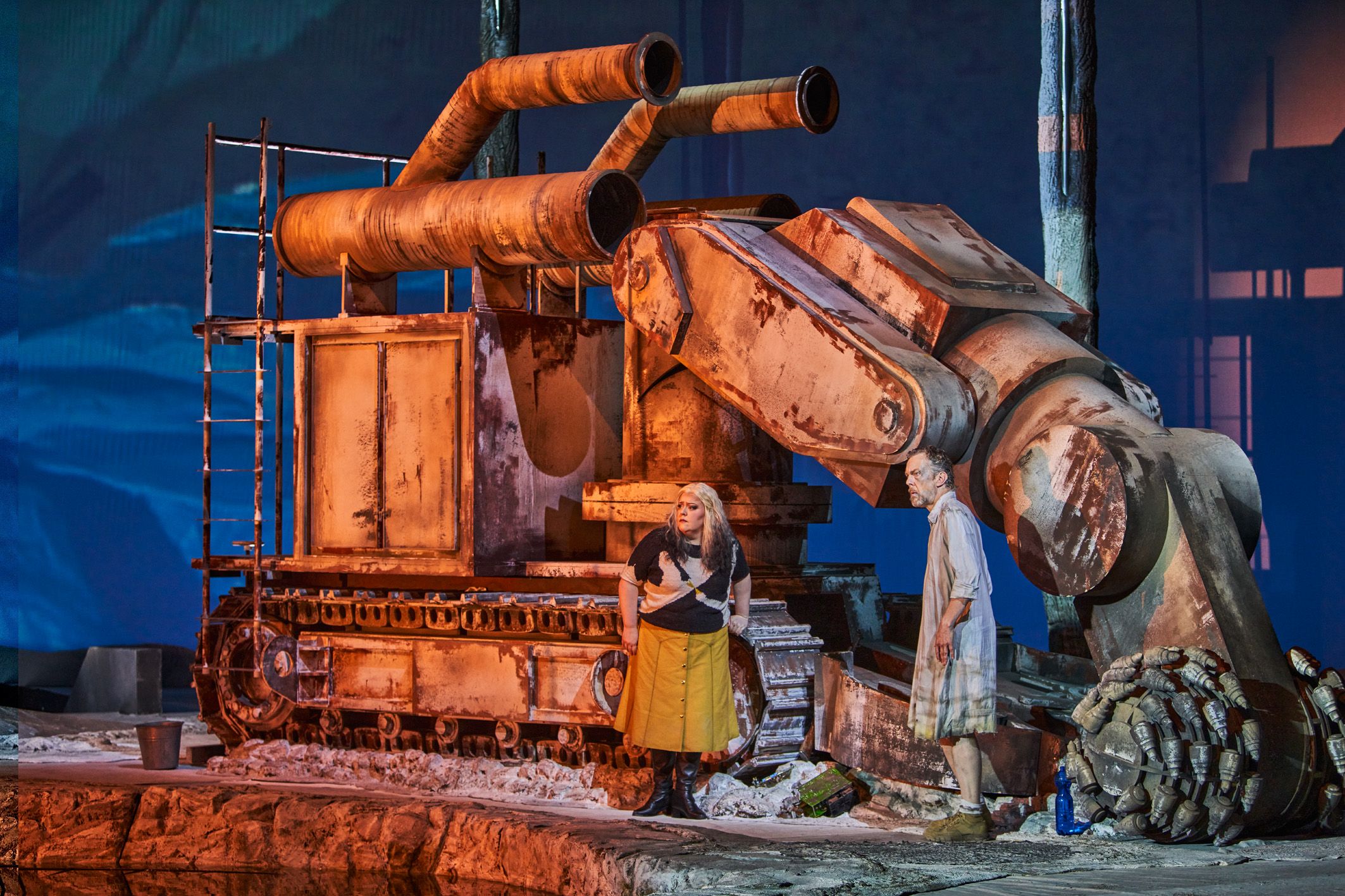
Tym razem Upiór zaczął sezon w Walii, z Welsh National Opera, i za kilka dni o wszystkim Państwu doniesie – ale w tym samym czasie ruszył też jubileuszowy, dwudziesty sezon transmisji „The Met: Live in HD”. Za nami już pierwszy spektakl z cyklu, Così fan tutte w zwariowanym ujęciu Phelima McDermotta, przed nami jeszcze siedem, w tym Manon Masseneta z Nadine Sierrą w roli tytułowej, Matthew Polenzanim w partii Kawalera des Grieux i Andrzejem Filończykiem jako Lescautem. Bardzo się cieszę na to przedstawienie – nie tylko ze względu na mistrzowską inscenizację Laurenta Pelly’ego oraz obecność specjalizującego się w tym repertuarze Yves’a Abela za pulpitem dyrygenckim, ale i dlatego, że będę miała okazję wprowadzić widzów w temat przed transmisją w warszawskim Teatrze Studio. Do 3 kwietnia przyszłego roku zostało jednak jeszcze kilka miesięcy, a Teatr już przygotował dla Państwa książkę programową całego sezonu. W środku zaś znalazł się tekst, którego Romanowi Osadnikowi zabrakło w mojej książce, poświęconej wyłącznie europejskim domom operowym. No to zakasałam rękawy i napisałam: nie jest to wprawdzie „brakujący rozdział” Domu, w którym śpiewa, ale można w nim poczytać i o historii, i o gwiazdach, i o architekturze nowojorskiej Metropolitan Opera. Udostępniam ku uciesze tych, którzy do Studia nie dotrą – albo mają zamiar oglądać transmisje gdzie indziej.
***
Początek Wieku niewinności, powieści, za którą Edith Wharton – jako pierwsza kobieta w historii – otrzymała w 1921 roku Nagrodę Pulitzera, jest przedmiotem nieustannych zachwytów i analiz literaturoznawców. Już pierwsze zdanie zapada w pamięć: „Pewnego styczniowego wieczoru w początkach lat siedemdziesiątych w Akademii Muzycznej Nowego Jorku miała wystąpić w Fauście Christine Nilsson”. A dalej jest jeszcze ciekawiej: „Mówiło się, co prawda, o wystawieniu gmachu nowej Opery, która współzawodniczyłaby z operami wielkich stolic europejskich pod względem kosztowności i przepychu, jednakże elegancki świat rad był spotykać się zimą w lożach poczciwej starej Akademii, wybitych wyblakłą purpurą i złotem. Konserwatyści lubili ją za to, że jest mała i niewygodna, dzięki czemu nie ściąga «nowych ludzi», których Nowy Jork zaczynał się lękać, choć w gruncie rzeczy ku nim lgnął. Sentymentaliści przywiązani byli do niej ze względu na związki historyczne i muzyczne oraz świetną akustykę, tak bardzo problematyczną w salach budowanych dla słuchania muzyki. Był to pierwszy występ Madame Nilsson tej zimy, a tych, którzy zebrali się, by jej posłuchać, codzienna prasa określiła jako «wyjątkowo świetną publiczność»”. [tłum. Urszula Łada-Zabłocka]
Tym, co umyka większości współczesnych czytelników, jest sprytne pomieszanie dwóch operowych światów, świadomy anachronizm, pozwalający autorce tym dobitniej zarysować gwałtowne przemiany w środowiskach nowojorskich elit. Wharton wywodziła się z jednego z najstarszych i najbogatszych tutejszych rodów: potomków XVII-wiecznych założycieli Nowych Niderlandów i faktorii handlowej Nowy Amsterdam, po przejęciu kolonii przez Anglików przemianowanej na Nowy Jork. Zanim osiadła na stałe we Francji, niedługo przed pierwszą wojną światową, aktywnie uczestniczyła w życiu kulturalnym amerykańskiej metropolii. W pełni zdawała sobie sprawę, że otwarta w październiku 1883 roku Metropolitan Opera błyskawicznie usunęła w cień nowojorską Academy of Music. I właśnie dlatego Wharton postanowiła rozpocząć swoją powieść bujnym opisem spektaklu, który naprawdę odbył się w Akademii „pewnego styczniowego wieczoru” (ściślej 8 stycznia), ale dopiero w roku 1884, w ramach gościnnych występów Metropolitan z Faustem Gounoda, którego premiera, ze szwedzką sopranistką Christine Nilsson w partii Małgorzaty oraz Italo Campaninim w roli tytułowej, uświetniła inaugurację gmachu „nowej Opery”. Był to jedyny spektakl pod szyldem Met w budynku Academy of Music, z udziałem wspomnianego w dalszej części rozdziału Victora Capoula, Fausta z drugiej obsady.
Academy of Music nie była najstarszym teatrem operowym w Nowym Jorku. Ten tytuł przypadł w udziale włoskiej New York Opera Company, założonej w 1833 roku przez samego Lorenza da Ponte, librecistę największych arcydzieł Mozarta. Trupa przetrwała jednak zaledwie dwa sezony. Jeszcze szybciej zakończyła działalność elegancka Astor Place Opera, zainaugurowana w 1847 roku w okazałym, neoklasycystycznym gmachu projektu Isaiaha Rogersa. Kres jej ambicjom położyła nierozważna decyzja impresariów, żeby podreperować budżet instytucji gościnnym występem brytyjskiego aktora Williama Charlesa Macready’ego w Makbecie Szekspira. W rezultacie pod teatrem wybuchły zamieszki – z udziałem zwolenników popularnego amerykańskiego aktora Edwina Forresta, który od lat toczył wojnę podjazdową ze swym słynnym rywalem. Tak zwany Astor Place Riot, krwawo stłumiony przez siły porządkowe, pochłonął przeszło trzydzieści ofiar. Złożył też pocałunek śmierci na samej Operze, która musiała zwinąć działalność i sprzedała budynek jednemu z prężnych stowarzyszeń bibliotecznych.
I wtedy dopiero się okazało, że nowojorskie elity już nie potrafią żyć bez opery. W 1852 roku Moses H. Grinnel, zamożny spedytor morski, postanowił sfinansować budowę nowego teatru ze sprzedaży udziałów w specjalnie w tym celu utworzonej spółce. Academy of Music – wzniesiona na rogu Irving Place i Czternastej Ulicy według projektu Alexandra Saeltzera, imigranta z Niemiec – ruszyła niespełna dwa lata później. Był to wówczas jeden z największych teatrów operowych na świecie: przepysznie urządzona pięciokondygnacyjna widownia mieściła około dwóch tysięcy osób. Akustyka ponoć była bajeczna, co rekompensowało niewygody posiadaczom biletów na tańsze miejsca i częściowo wynagradzało nierówny poziom przedstawień, wynikający między innymi z braku stałego zespołu. Nie sposób jednak pominąć milczeniem, że właśnie tutaj zorganizowano amerykańskie premiery Rigoletta, Trubadura i Aidy Verdiego oraz kilku dzieł Wagnera, na czele z Lohengrinem, aczkolwiek śpiewanym po włosku.
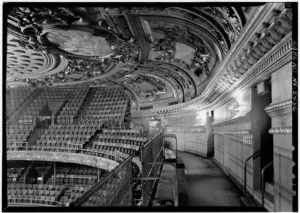
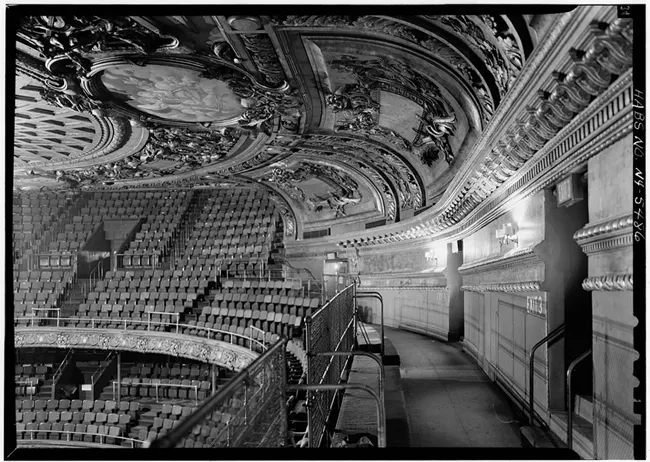
Widownia „starej” Metropolitan przy Broadwayu. Fot. ze zbiorów Biblioteki Kongresu
Gmach niemal od razu stał się ogniskiem życia towarzyskiego nowojorskiej socjety – również dlatego, że prócz spektakli odbywały się w nim bale, mityngi polityczne, targi przemysłowe i mnóstwo innych imprez niezwiązanych z muzyką. Najsilniejszym magnesem dla konserwatywnych elit pozostawała jednak opera, a symbolem ich statusu społecznego były miejsca zarezerwowane dla najstarszych i najbardziej wpływowych rodzin w osiemnastu lożach na parterze teatru. I to właśnie spędzało sen z powiek zamożnym parweniuszom: Vanderbiltom, Gouldom, Rockefellerom i Morganom, którzy nie mieli dostępu do tych „dziedzicznych włości” nowojorskiej arystokracji. Kiedy w 1880 roku nuworysze postanowili pójść w ślady Grinnela i zbudować sobie własną operę, zarząd Akademii zmiękł i pośpiesznie zaoferował urażonym bogaczom aż dwadzieścia sześć dodatkowych lóż. Ale było już za późno.
Od pierwszego spotkania zbuntowanych arywistów do inauguracji Metropolitan Opera minęły zaledwie trzy lata. Wprawdzie gmach przy Broadwayu okazał się jeszcze bardziej szpetny niż niezbyt urodziwa siedziba Academy of Music (z miejsca przezwano go „żółtym browarem”), za to wewnątrz krył prawdziwe cuda: pięciokondygnacyjną widownię na prawie cztery tysiące miejsc, scenę dwa razy większą niż w Akademii, co jednak najistotniejsze – aż dwa piętra paradnych lóż dla nowej elity, tak zwaną Diamentową Podkowę, z której można było obserwować nie tylko spektakle, lecz i zgromadzoną wokół śmietankę towarzyską. Kiedy dziewięć lat później teatr poszedł z dymem, odbudowa wnętrza w jeszcze wspanialszej formie – wraz z największą w Stanach ramą proscenium – zajęła architektom ledwie jeden sezon. Powiedzieć, że Met pod względem kosztowności i przepychu mogła współzawodniczyć z operami wielkich stolic europejskich, to nic nie powiedzieć. W tej kategorii z większością z nich wygrywała w cuglach. Zwyciężyła też poczciwą Academy of Music, która wytrzymała zaledwie trzy lata konkurencji, po czym zmieniła profil na teatr wodewilowy.
W pierwszych dekadach działalności Metropolitan nie produkowała własnych spektakli. Głównym zadaniem menedżerów było planowanie jak największej liczby możliwie różnorodnych przedstawień, z udziałem gwiazd pierwszej wielkości, ściąganych do Nowego Jorku z całego świata. Sopranistka Marcelina Sembrich-Kochańska wystąpiła w Met już w pierwszym sezonie, jako tytułowa Łucja z Lammermooru w operze Donizettiego: od tamtej pory aż do 1909 roku wyszła na nowojorską scenę przeszło 450 razy. Ta imponująca liczba i tak blednie w porównaniu z blisko siedmiuset występami Edwarda Reszkego i ponad dziewięciuset – jeśli uwzględnić także spektakle wyjazdowe Met – innego polskiego basa, Adama Didura. W pierwszej złotej erze Metropolitan oślepiającym blaskiem świeciły też gwiazdy dwóch sopranów, Lili Lehmann i Nellie Melby, wspaniałego Otella w osobie Francesca Tamagno, Victora Maurela, niezrównanego w partiach Jagona i Falstaffa, oraz legendarnego basa Pola Plançona. Nie wspominając o Enrico Caruso, królu tenorów, który zadebiutował w Met w roku 1903, prześpiewał w niej siedemnaście sezonów, i bywało, że wychodził na scenę siedem dni w tygodniu.
Kariery Carusa i Didura nałożyły się na kolejny okres świetności Metropolitan, który rozpoczął się w 1908 roku, wraz z objęciem teatru przez Giulia Gattiego-Casazzę, wcześniej dyrektora mediolańskiej La Scali. Za jego 27-letniej kadencji Met wprowadziła na scenę ponad dwadzieścia nowych utworów, między innymi Dziewczynę z Zachodu i Tryptyk Pucciniego oraz Goyescas Granadosa. To on ściągnął za pulpit dyrygencki Gustawa Mahlera, Artura Toscaniniego i Tullia Serafina. To dzięki jego doświadczeniu i kontaktom w świecie operowym do długiej listy gwiazd nowojorskiego teatru dołączyli śpiewacy formatu Rosy Ponselle, Emmy Destinn, Lily Pons, Beniamina Gigliego, Fiodora Szalapina i Lauritza Melchiora. Gatti-Casazza okazał się pierwszym naprawdę innowacyjnym, nowocześnie myślącym dyrektorem Metropolitan Opera, który zdołał przeprowadzić teatr bez większego szwanku nawet przez trudne lata Wielkiego Kryzysu.
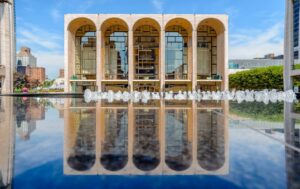
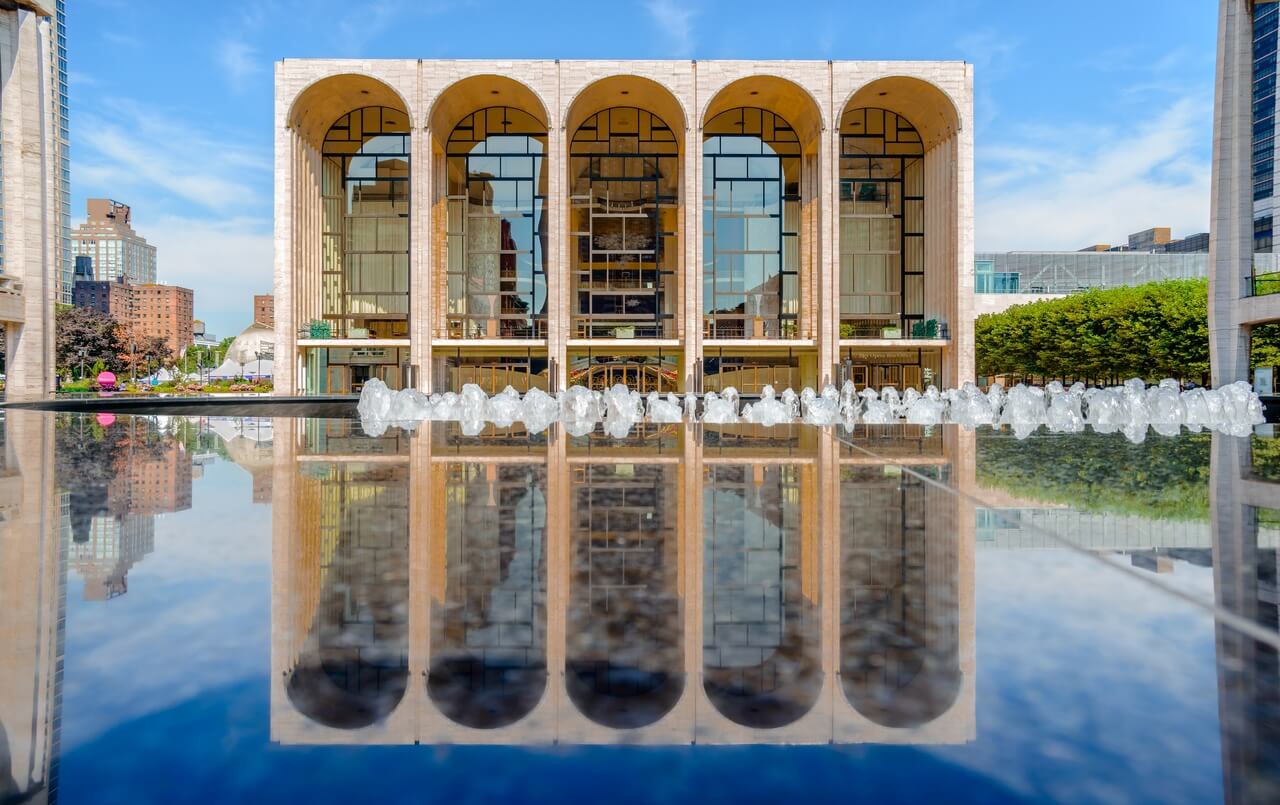
Nowy gmach Met. Fot. Apostolis Giontzis
Następny przełom dokonał się w roku 1940, za rządów Edwarda Johnsona, kiedy tytuł własności zespołu i gmachu przeszedł na rzecz Metropolitan Opera Association, co skutecznie ograniczyło nie zawsze pozytywny wpływ nowojorskiej socjety na działalność teatru. Johnson, tenor z Ontario, który miał za sobą wcale udaną karierę na scenach amerykańskich, zapisał się też w annałach Met jako gorący orędownik rodzimych artystów – po części z potrzeby chwili, bo w warunkach wojennych sprowadzanie śpiewaków z Europy graniczyło z niepodobieństwem. Co nie zmienia faktu, że bez głosów Eleanor Steber, Helen Traubel, Jana Peerce’a i Roberta Merrilla historia śpiewu operowego byłaby znacznie uboższa.
Większości miłośników opery dzieje nowojorskiej sceny kojarzą się przede wszystkim z nazwiskiem Rudolfa Binga, bezpośredniego następcy Johnsona, który objął dyrekcję Metropolitan w 1950 roku i nie tylko postawił teatr na nogi, ale także wprowadził w kolejny wiek złoty. Jak tę epokę widział sam Bing, można się przekonać z lektury jego 5000 wieczorów w operze, wznowionych niedawno przez Teatr Studio. Opinie innych o Bingu wahały się od czołobitnego uwielbienia aż po miażdżącą krytykę. Z pewnością zarządzał Met twardą ręką – był autokratą, można wręcz rzec tyranem, który w świetle dzisiejszych standardów nie utrzymałby się na stanowisku nawet przez jeden sezon. Tymczasem królował w Metropolitan przez lat dwadzieścia dwa i w tym czasie wprowadził szereg gruntownych reform administracyjnych, które znacząco wpłynęły na funkcjonowanie teatru i wyniosły go do rangi jednej z najważniejszych scen operowych na świecie. Miał znakomite ucho: za jego kadencji debiutowali w Met między innymi Franco Corelli i Maria Callas, Nicolai Gedda i Renata Scotto, Birgit Nilsson i Jon Vickers. To on był ojcem chrzestnym karier wielu czarnoskórych artystów, począwszy od Roberta McFerrina i George’a Shirleya, aż po Leontyne Price, Shirley Verrett i Grace Bumbry. To on docenił niezwykły talent Teresy Żylis-Gary, podpisując z nią kontrakt na partię Donny Elviry w Don Giovannim po dziesiątkach lat nieobecności polskich śpiewaków na nowojorskiej scenie. Ale do dyrygentów nie miał już takiego szczęścia jak Gatti-Casazza, mimo że na przełomie lat 50. i 60. za pulpitem stawali mistrzowie formatu Fritza Reinera i Ericha Leinsdorfa. Dokonał za to rewolucji w sposobie myślenia o operze jako teatrze nie tylko ogromnym, ale i żywym, wystarczająco spójnym dramaturgicznie, by przemówić do każdego odbiorcy – niespełna trzydziestoletni Peter Brook wyreżyserował u niego Fausta już w 1953 roku.
Rudolf Bing zostawił też po sobie pomnik trwalszy od spiżu: nową siedzibę Metropolitan Opera, która być może stanęłaby jeszcze przed wojną, w obrębie gigantycznego kompleksu Rockefeller Center, gdyby pomysłodawca inwestycji, John D. Rockefeller Jr., nie wykreślił jej z projektu po wielkim krachu na giełdzie nowojorskiej. Gmach przy Broadwayu już wówczas nie spełniał wymogów technicznych teatru działającego na taką skalę. W pierwszej dekadzie rządów Binga potrzeby Met całkowicie przerosły możliwości dawnej siedziby. Na szczęście starania Metropolitan Opera Association zbiegły się w czasie z potrzebami innych instytucji kultury, między innymi Filharmonii Nowojorskiej, której groziła eksmisja z Carnegie Hall.
Na czele kolejnej wielkiej inicjatywy, czyli budowy kompleksu Lincoln Center, stanął syn inicjatora Rockefeller Center, John D. Rockefeller III. Za plan generalny założenia oraz projekt nowej Met odpowiadał Wallace Harrison – ten sam architekt, który w latach dwudziestych sporządził pierwsze szkice niedoszłego obiektu w centralnej części Manhattanu. Kamień węgielny pod inwestycję w dzielnicy Lincoln Square położył 14 maja 1959 roku prezydent Dwight D. Eisenhower. Gmach Metropolitan Opera otworzył jednak podwoje dopiero w 1966 roku. Przyczyną opóźnień były między innymi próby zrewidowania kosztorysu, którym Bing dał stanowczy odpór. Wzniesienie opery, która w porównaniu z teatrami europejskimi wyglądałaby niemodnie i tanio – przekonywał dyrektor Met – byłoby niegodne Stanów Zjednoczonych.
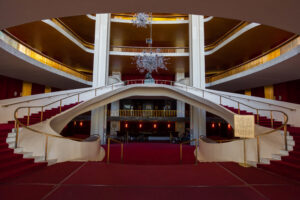
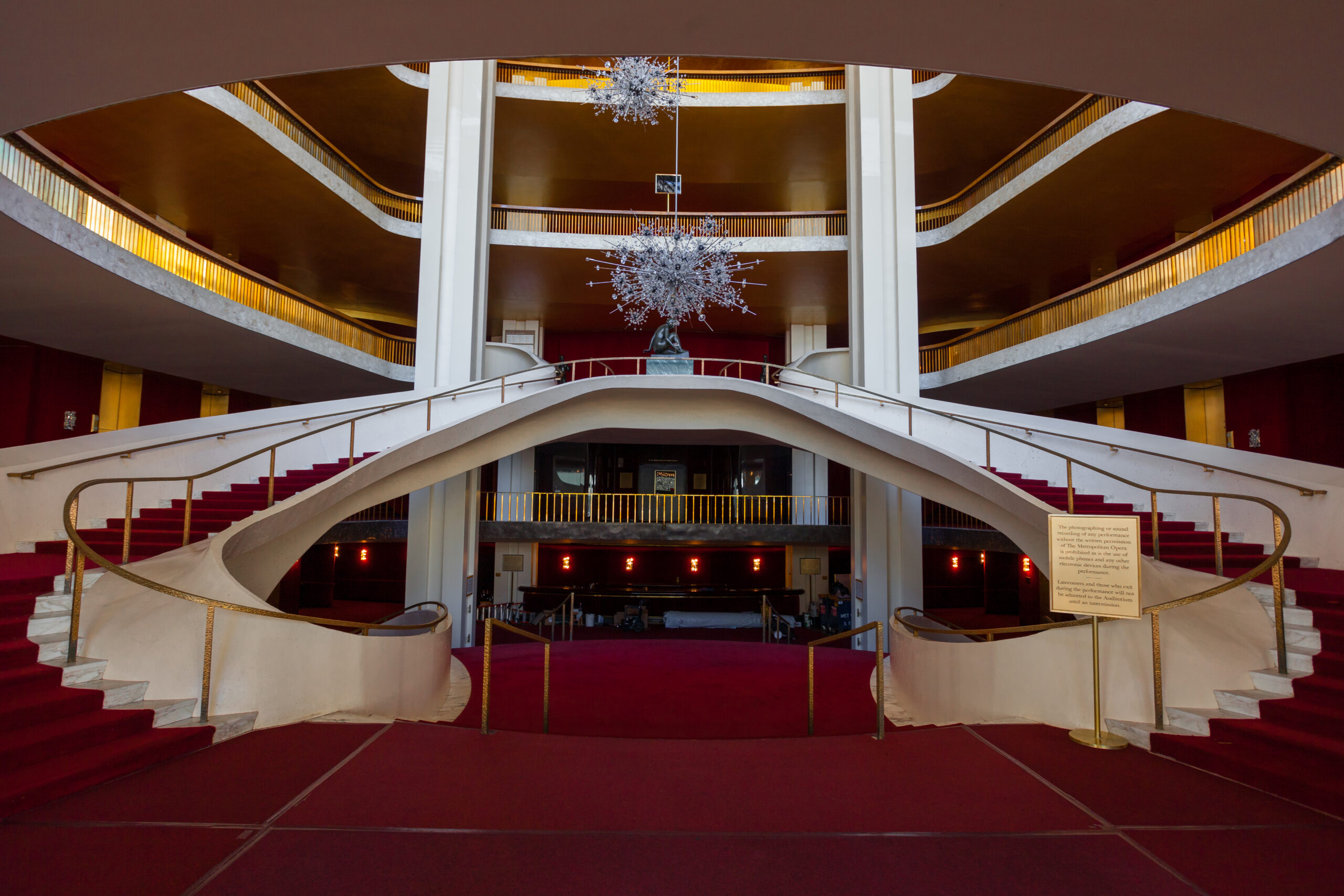
Wielkie Schody. Fot. Marco Almbauer
I tak przy Lincoln Center Plaza stanął okazały budynek z betonu, wzniesiony na planie prostokąta, z charakterystyczną fasadą z pięciu osobno sklepionych łuków, wysuniętych przed lico szklanej elewacji. Wejście główne prowadzi do hallu otwartego na całą wysokość gmachu, z dwoma olbrzymimi, widocznymi z zewnątrz muralami Marca Chagalla, umieszczonym po lewej „czerwonym” Tryumfem muzyki i „żółtymi” Źródłami muzyki po prawej. W wystroju wnętrza dominują biel, czerwień i złoto. Pośrodku hallu wznoszą się potężne schody na planie owalu, prowadzące na wszystkie kondygnacje audytorium: najpierw rozchodzą się na obie strony, żeby złączyć się ponownie na wyższych piętrach. Wachlarzowata widownia, wyłożona palisandrem i oświetlona przeszło dwudziestoma spektakularnymi kryształowymi żyrandolami projektu Tadeusza Łęskiego, polskiego architekta, który był wówczas członkiem pracowni Harrisona, liczy prawie cztery tysiące miejsc – podobnie jak w poprzedniej Operze. Sercem gmachu jest jednak sam teatr, imponujące do dziś arcydzieło sztuki inżynieryjnej: z olbrzymią sceną, ponad setką wind do transportu elementów dekoracji, siedmioma dwupoziomowymi podnośnikami szerokości blisko 20 metrów i dwiema potężnymi cykloramami.
Gmach zatem imponujący, z pewnością nietani (budowa pochłonęła ostatecznie przeszło 50 milionów dolarów), ale już niekoniecznie nowoczesny, na co krytycy architektury zwracali uwagę jeszcze przed jego oficjalnym otwarciem. Gdyby nowa Met, zgodnie z pierwotnymi planami, stanęła na przełomie lat 20. i 30. XX wieku, rozmach modernistycznej konstrukcji dosłownie zapierałby dech w piersiach. Harrison, rozwijający swą spektakularną wizję przez ponad czterdzieści lat, musiał jednak pójść na ustępstwa i dostosować swój projekt do tradycyjnych gustów „ludzi opery”. Stąd kilometry czerwonych dywanów, stąd złoto kapiące z sufitów i drzwi prowadzących do wind, stąd wydzielone przestrzenie foyer, porównywane przez złośliwców do tajnych barów z czasów prohibicji. „Przytłoczył mnie ten świat”, wyznał ze smutkiem starzejący się Harrison. Operomani byli jednak w siódmym niebie. I większość z nich pozostaje w tym błogosławionym stanie po dziś dzień. Nie ma to jak powrót do oswojonej przeszłości, zamkniętej w powłoce architektury, która odwagą i funkcjonalnością rozwiązań ustępuje niejednej budowli sprzed stu lat.
Metropolitan Opera to jednak nie tylko gmach – który dziś coraz trudniej zapełnić, bo wbrew ambicjom niektórych polityków ludzie już nie chcą „Wielkiej Ameryki”. To przede wszystkim symbol, świadectwo przetrwania formy operowej, historia zaklęta w głosach dawnych i nowych, w rozpoczętych tutaj karierach setek artystów z całego świata, w rozpalających wyobraźnię inscenizacjach i w tysiącach anegdot. Jak ta o Birgit Nilsson, której sznur pereł zerwał się i rozsypał po podłodze podczas próby z Herbertem von Karajanem. „Oby się wszystkie znalazły”, rzucił kąśliwie Maestro, „pewnie kupiła je pani za sute gaże w Metropolitan”. „Och, te perły są sztuczne”, odparowała Nilsson, „wystarczyłoby na nie pańskiej gaży w wiedeńskiej Staatsoper”.